

Articles & news fromHabitat.
Analyses, projects, and position statements to better understand the challenges of biodiversity, climate, and land use planning.

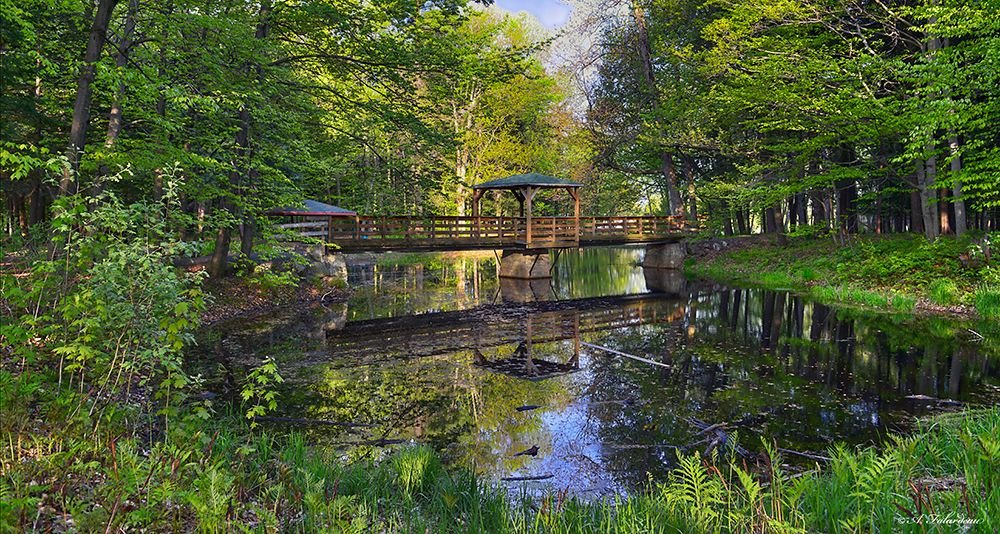
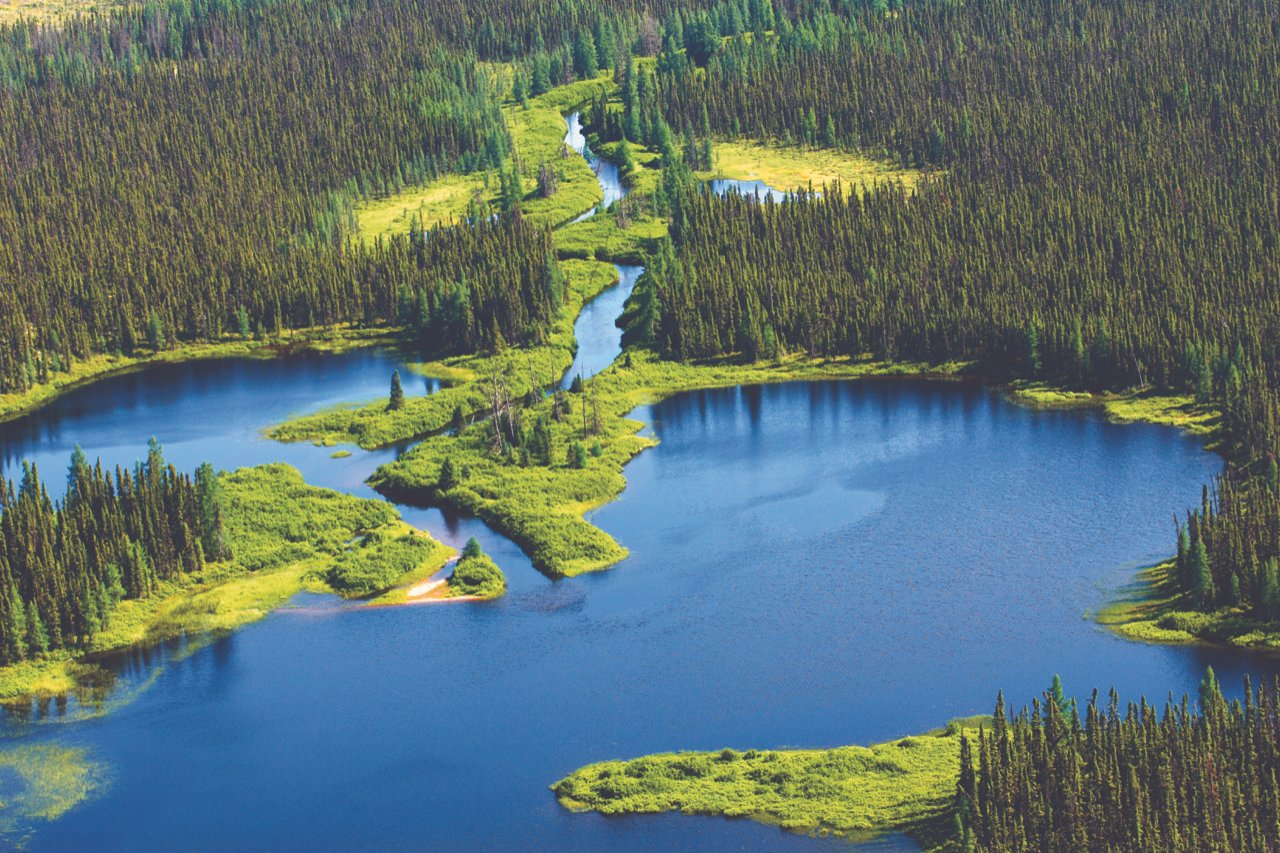
The natural environments of the Manicouagan-Uapishka Biosphere Reserve store nearly 297 billion tonnes of CO2 equivalent.
Our recent study shows that the natural environments of the Manicouagan-Uapishka Biosphere Reserve store over 297 billion tonnes of CO2 equivalent.
Preparing your region for climate change with the Climate Plan
Our guide to producing a Climate Plan that meets the challenges of the ATCL program for Quebec RCMs.
Open letter I Biodiversity, an essential ally in Quebec's climate transition
Our response to the government's announcement to accelerate Quebec's climate transition.

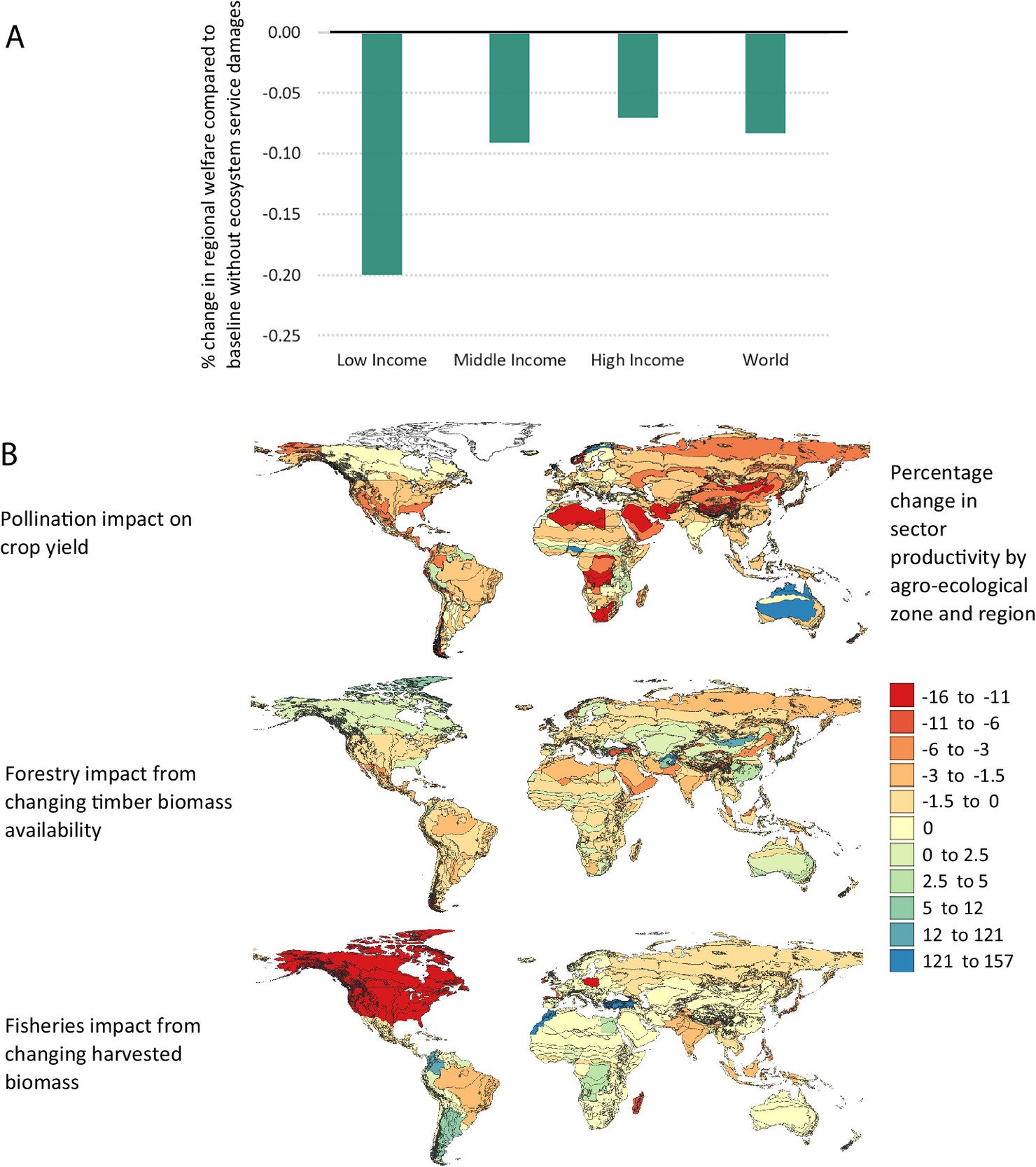
New study shows that investing in nature improves equity and boosts the economy
A new study shows that current trends in environmental degradation will lead to significant economic losses over the coming decades, with the poorest countries being hit hardest. But there is hope: investing in nature can turn these losses into gains.
Webinar | Nature's Solutions for Local Government Adaptation to Climate Change
This webinar is an opportunity for you to learn more about our approaches and the solutions we offer to help you better manage and preserve our natural heritage.
COP15 | Habitat co-organizes panel discussion on biodiversity conservation in urban areas
As part of COP 15 in Montreal, Habitat with the David Suzuki Foundation the event Developing a Pan-Canadian approach to urban biodiversity and ecosystem service monitoring - learning from common opportunities and challenges across cities, with the participation of the Montreal Metropolitan Community and the City of Guelph at the Subnational Governments and Cities Pavilion at Place du Québec.
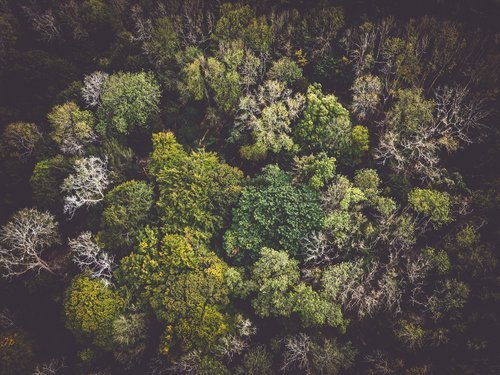
Let's join forces to protect 30% of the Earth's ecosystems by 2030!
Habitat proud to have received $400,000 in financial assistance from the Government of Quebec to help it achieve the 30x30 goal. In partnership with Stanford University and the University of Minnesota (collaborators on the Natural Capital Project), the project aims to model the economic and environmental impacts of the Global Biodiversity Framework's key targets and propose concrete solutions for achieving the protection goals.
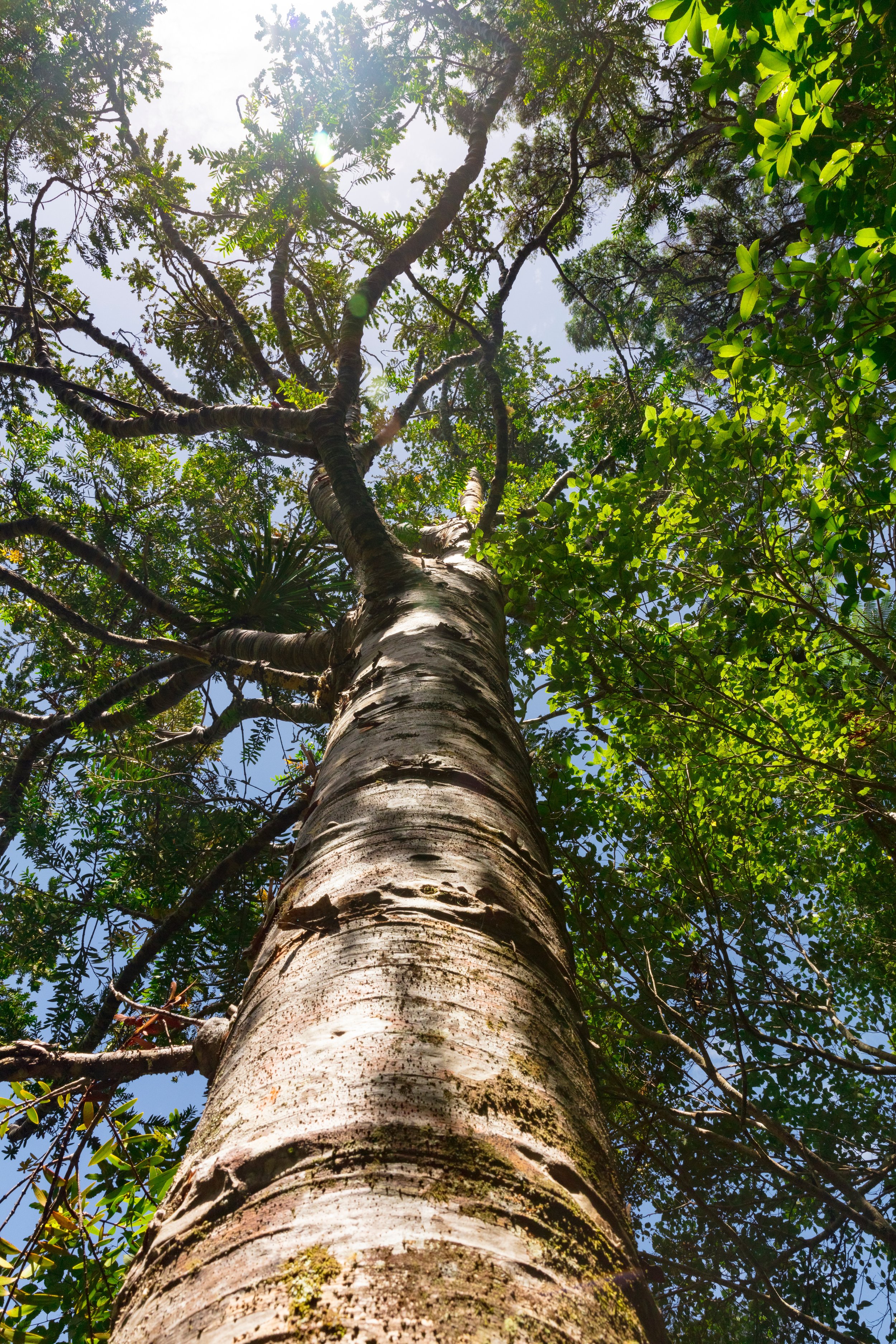
Habitat develops a planting strategy for the City of Montreal's 500,000 new trees!
This research allows us to examine tree varieties and plantation areas to target in order to address three major issues: increasing our adaptation to climate hazards (e.g., heat waves, floods), increasing the resilience of urban forests, and ensuring an equitable distribution of trees across the territory.

Over 11,000 potential restoration sites in the MWC!
This report presents a wide-ranging study in which each scenario was evaluated according to the following criteria: biodiversity, endangered species, adaptation to the climate crisis, potential for restoration and susceptibility to development, ecological connectivity, and maintenance of hydrological functions.
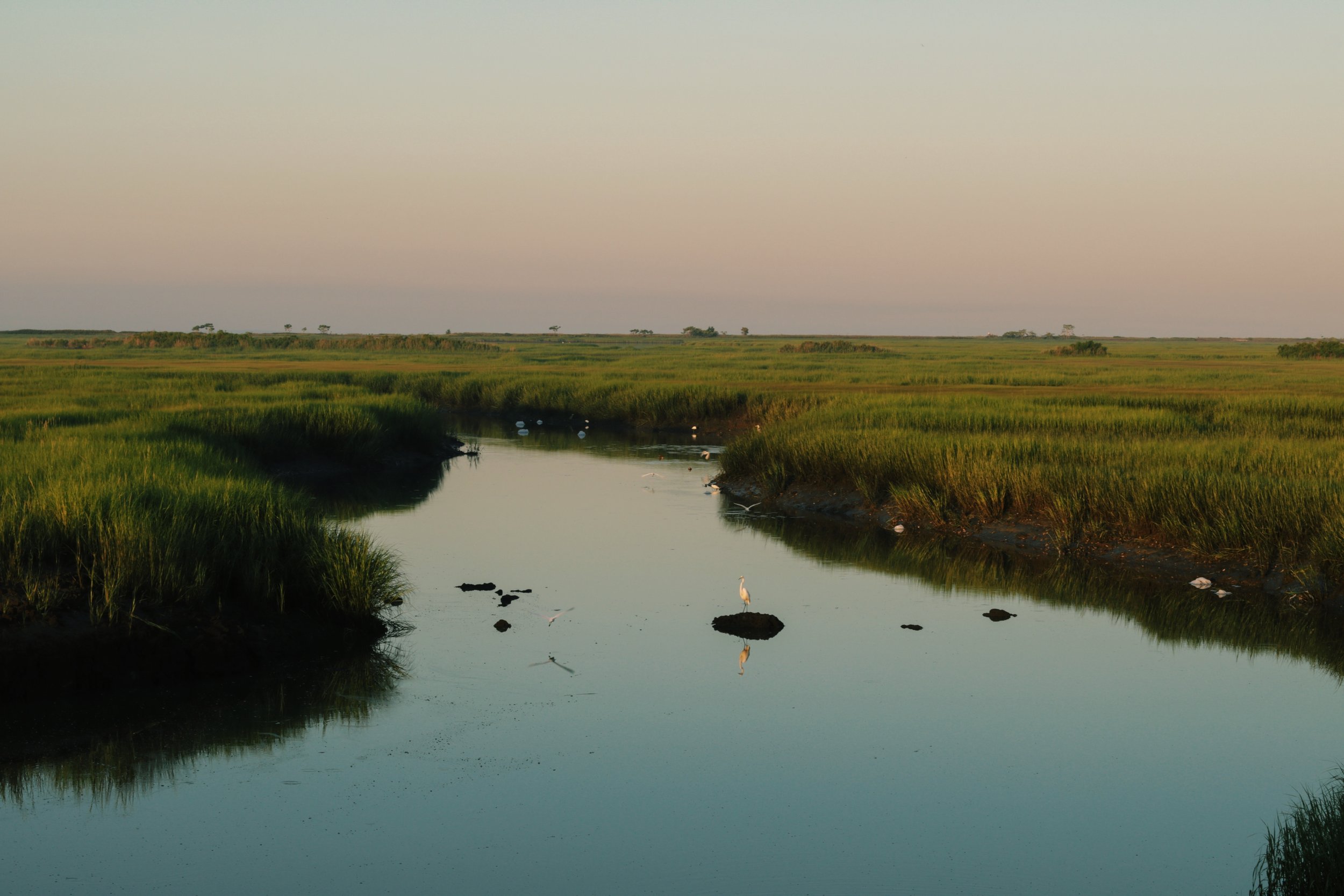
Laurentians ready to spend $6.5 million to protect wetlands
A new study shows that the natural environments of the North River watershed in the Laurentians offer citizens numerous benefits, ecosystem services, and significant economic value.
Eco2urb becomes Habitat!
On this Earth Day, we are pleased to unveil our new identity and a new company name: Habitat. Why change our name? Because we want a name that truly represents who we have become and the conclusion we have reached: to combat the climate and biodiversity crises, we must innovate in the protection of natural habitats in order to protect our own Habitat.

Scientific expertise at the service of action.
Habitat organizations in making informed, science-based decisions to sustainably preserve natural environments.