

Squirrels, birds, raccoons, and white-tailed deer—to name just a few—are an integral part of the urban landscape. Their presence, along with that of many other animal and plant species, illustrates the biological diversity that still thrives in the city.
However, the rapid decline in biodiversity, both globally and locally, is undermining the resilience of our cities. Habitat fragmentation and urbanization are accelerating species extinction and weakening ecosystems. At the same time, this decline jeopardizes essential ecosystem services provided by biologically rich environments: temperature regulation, stormwater management, pollination…
A first step toward sustainable and resilient communities
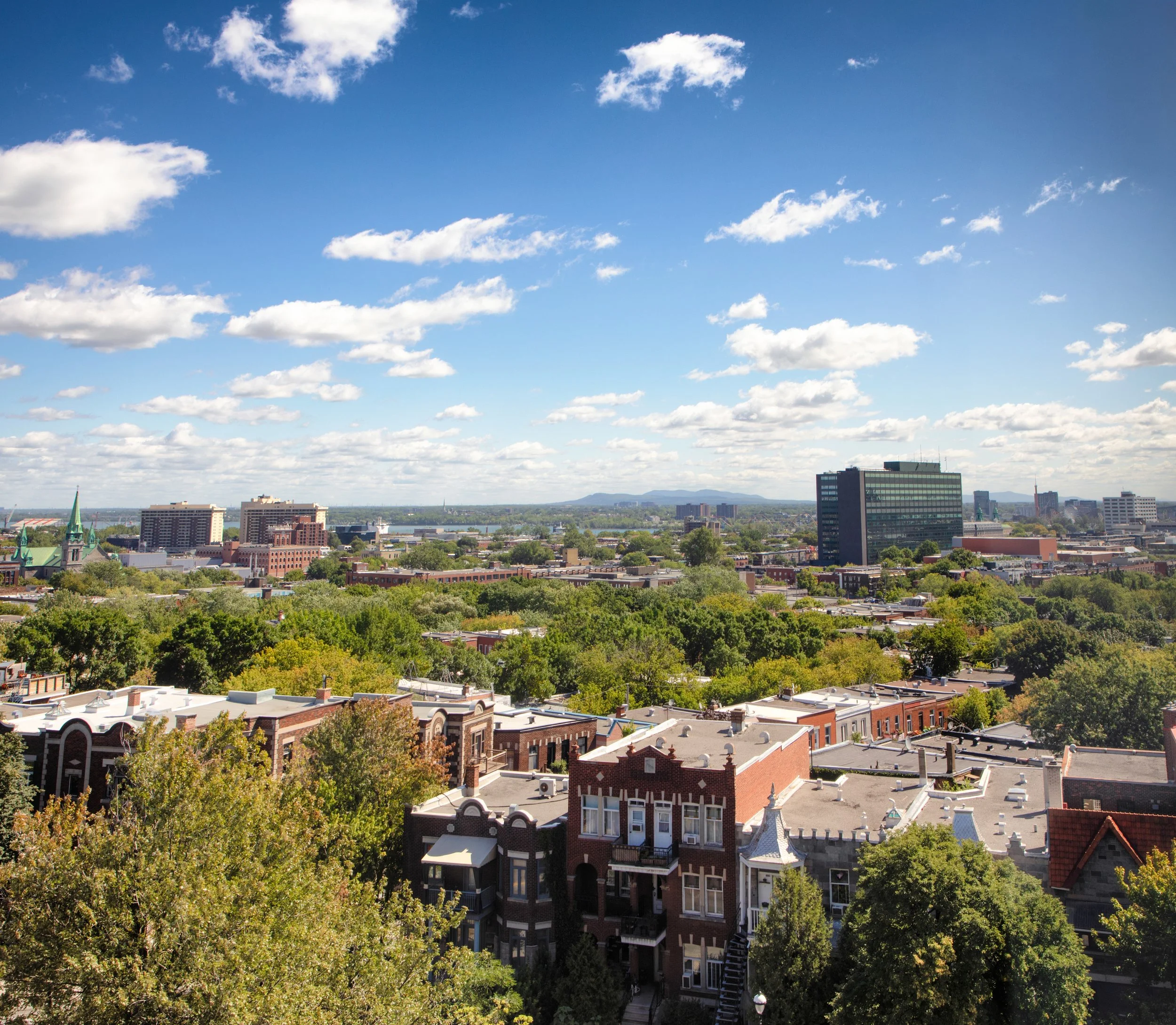
In light of this situation, the Montreal borough of Mercier–Hochelaga-Maisonneuve has taken the lead in transforming its territory by adopting a Biodiversity Plan, entrusted to Habitat. This highly urbanized area, marked by industrial activity, faces major challenges, such as a low proportion of natural habitats; limited tree cover and an aging, undiversified urban forest; as well as vast mineralized areas. These characteristics amplify the risks associated with heat islands and flooding—phenomena that are set to intensify with climate change.
The plan is based on four key guiding principles designed to address these issues:
As part of this project, data was also collected on biodiversity hotspots and ecological corridors within the borough. These two key elements lay the groundwork for an ecological network and a greener, more resilient borough by 2050.
Guiding principles:
Conservation and Restoration of Natural Habitats
Canopy diversification
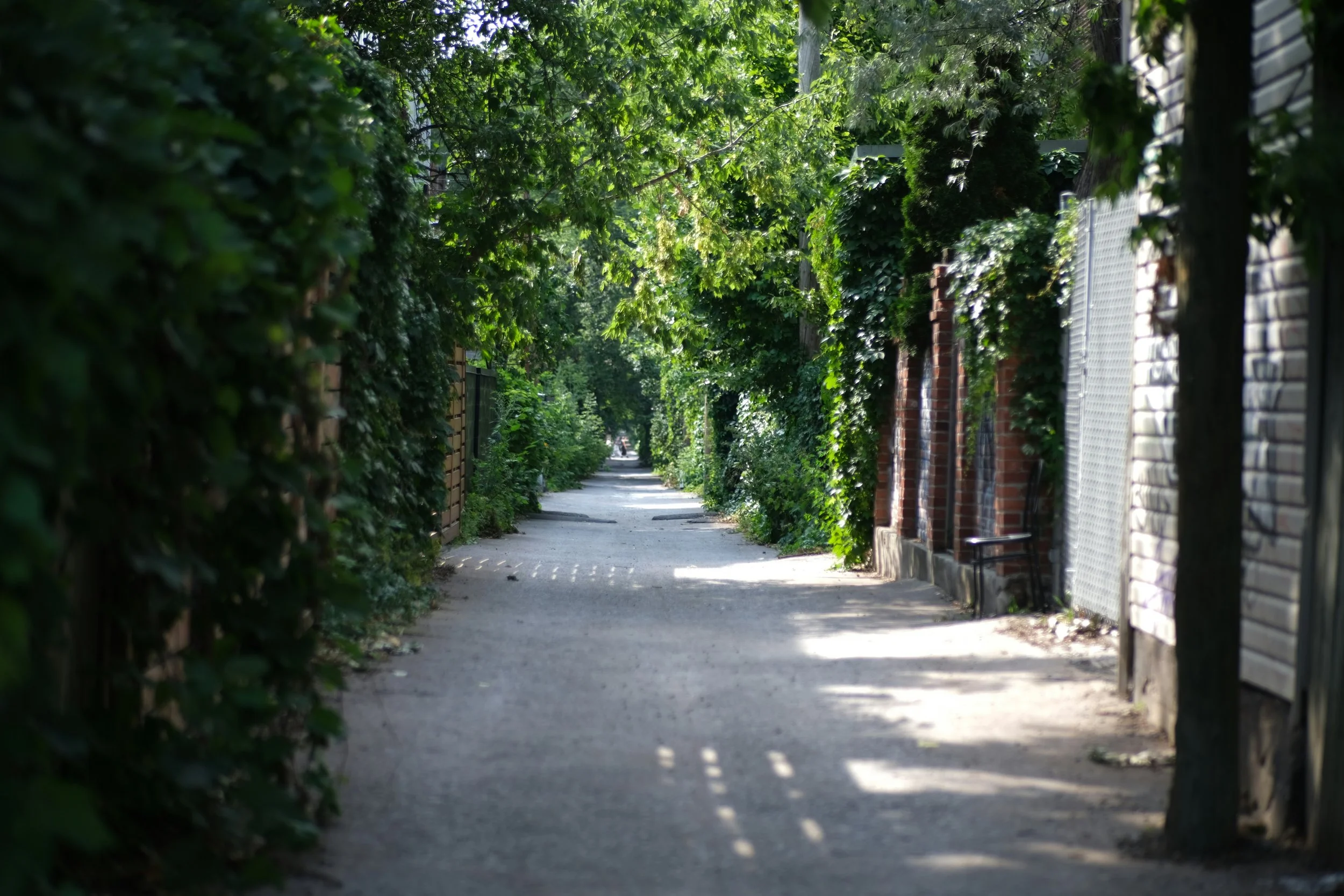
Resilient and multifunctional developments
Stakeholder Engagement
One of the project’s greatest strengths is its collaborative and participatory approach, which brings together citizens, experts, and decision-makers around a shared vision. Such an approach is essential to the long-term success of the biodiversity plan, as it fosters a culture of shared responsibility and encourages sustainable behaviors among citizens.
The Biodiversity Plan as a Lever
Biodiversity plans are much more than just strategic documents; they serve as tools for taking action and adapting to climate change. They pave the way for integrating nature into the heart of urban planning and for creating multifunctional developments that benefit both human communities and wildlife.
Would you like to develop a biodiversity plan for your area or learn more aboutHabitat ’s servicesHabitat