

World Climate Day: acting now for more resilient territories
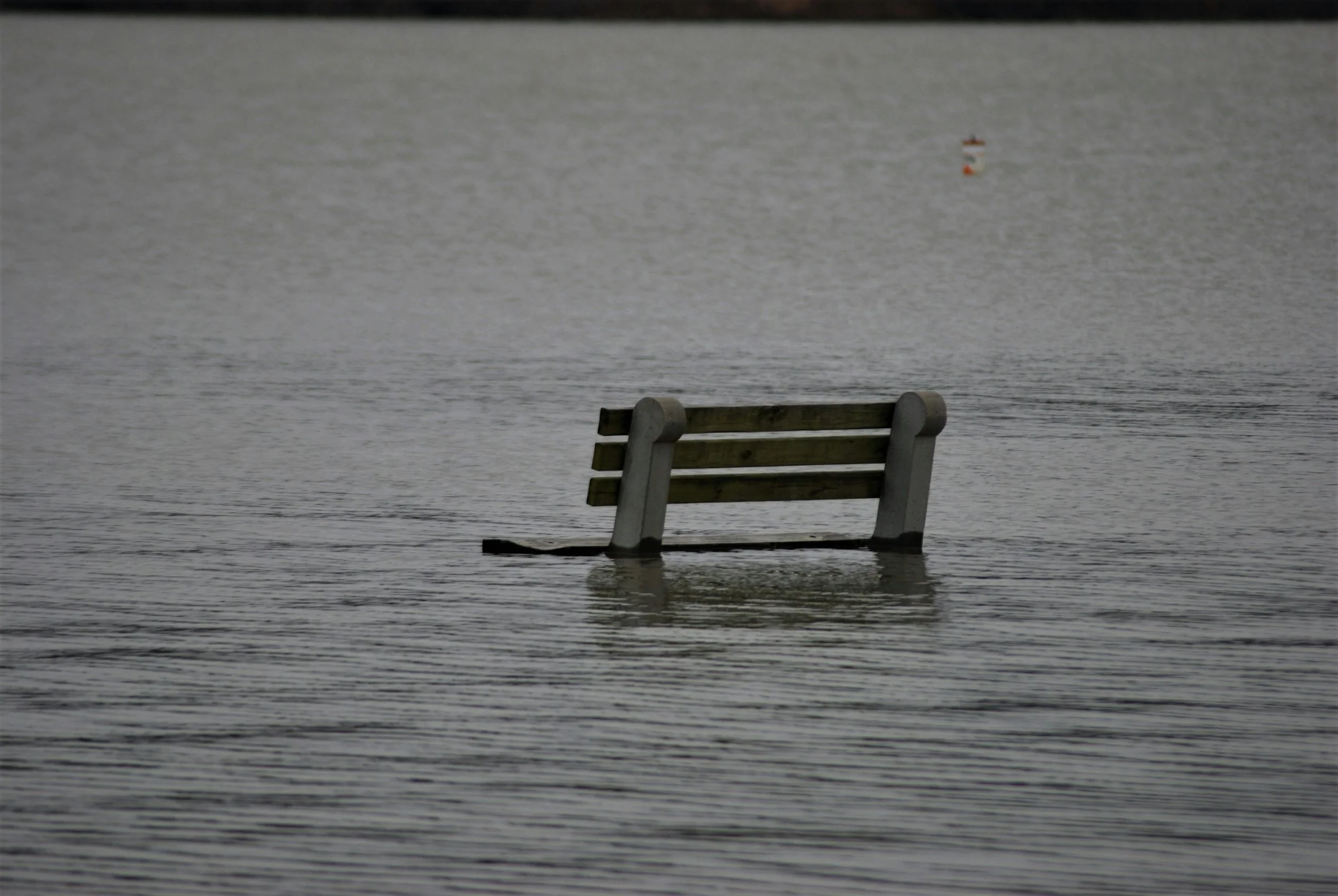
While several governments and organizations are relegating the fight against climate change to the background, World Climate Day reminds us of the urgent need to act collectively to protect our living environments. Climate impacts such as floods, heat waves, forest fires, loss of biodiversity, etc. are multiplying, and it is local communities that feel the effects most directly.
For local governments, the question is no longer whether climate change is happening, but how to adapt to it in a practical and sustainable way. Above all, how can local levers be mobilized to strengthen the climate resilience of their territory?
Municipalities and RCMs at the heart of the transition
Local communities are on the front line when it comes to climate impacts. They already have to contend with fragile infrastructure, increased pressure on municipal services, and an acceleration of natural hazards. In this context, climate adaptation is becoming an essential pillar for ensuring the safety, vitality, and sustainability of local areas.
It is precisely to support this transition that the Quebec government launched the Accelerating Local Climate Transition (ATCL) program. This program aims to provide RCMs with robust knowledge to better understand the climate risks specific to their territory and strengthen the resilience of municipalities across the province.
The Climate Plan: a structuring tool for action
A climate plan developed as part of the ATCL program is based on two major complementary approaches:
Adaptation, which aims to increase the resilience of human and natural environments to the current and future effects of climate change.
Mitigation, which encompasses measures to reduce greenhouse gas (GHG) emissions.
Since the effects of climate change will continue to be felt for several decades to come, adaptation is no longer an option: it is essential to ensuring the sustainability of our territories.
Biodiversity and climate: one and the same solution
Too often perceived as two separate issues, climate and biodiversity are in fact deeply interconnected. The most sustainable solutions are based on this alliance. Nature-based solutions such as ecosystem restoration, ecological corridors, sustainable forestry, and revegetation act both as adaptation measures and conservation levers.
They reduce climate risks, improve the quality of living environments, and support the biodiversity on which the resilience of our ecosystems depends. Investing in nature means strengthening municipal resilience in the long term.
How Habitat municipalities and RCMs
At Habitat, we are already supporting several RCMs and municipalities in developing their climate plans, using a rigorous, transparent, and science-based methodology.
Our approach is based on climate risk calculation, which allows us to:
Identify the climate hazards to monitor ( floods, droughts, forest fires, extreme heat, etc.) ;
Assess their potential impacts on the territory, infrastructure, natural environments, and communities;
Identify vulnerabilities specific to each municipality and different sectors of activity.
By combining these three components, we help communities prioritize concrete actions tailored to their local realities. These actions are then consolidated into a realistic, inspiring climate action plan aligned with the ATCL program's objectives—while going beyond them to meet the specific needs of the region.
This plan becomes a powerful strategic management tool, enabling better investment planning, reducing long-term costs, and increasing the resilience of infrastructure and natural environments.
An integrated vision for stronger regions
Our approach is not limited to risk analysis. It paves the way for sustainable transformation of living environments:
greener, cooler, and more resilient cities;
better protected and interconnected natural environments;
actions tailored to forestry, agricultural, and urban realities;
territorial development aligned with climate challenges.
By equipping municipalities, we are helping to build communities that are capable of coping with climate change while improving the quality of life of their citizens.