World Wetlands Day: worrying disappearances
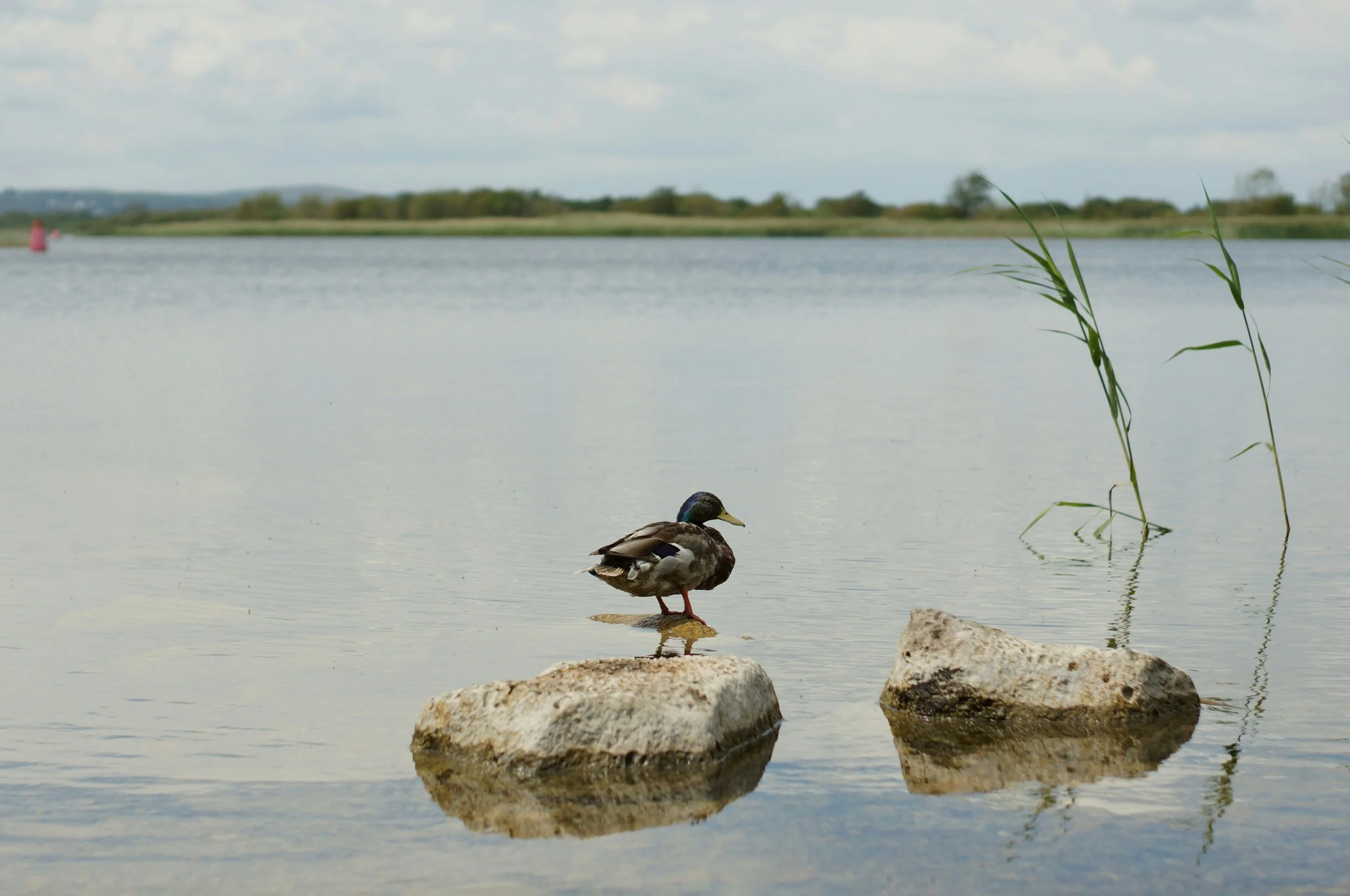
In a context where climate issues are becoming increasingly important, World Wetlands Day serves as a reminder of the importance of these natural environments, which tend to be overlooked by many.
In Quebec, wetlands are a major issue due to their mass disappearance from the territory in recent years. Environments such as marshes, swamps, and bogs are all elements that define this concept, which is so important in terms of preserving biodiversity and reducing climate change.
A little history
This international day highlights the importance of protecting wetlands, but it also commemorates the signing of the International Convention on Wetlands on February 2, 1971.
Despite the promises and commitments made under the Convention, a large proportion of wetlands worldwide have disappeared, raising the question of how to prevent these costly losses to biodiversity and ecosystems.
Wetlands: key players in biodiversity
The benefits of properly conserving these areas for Quebec would significantly enrich biodiversity and natural environments.
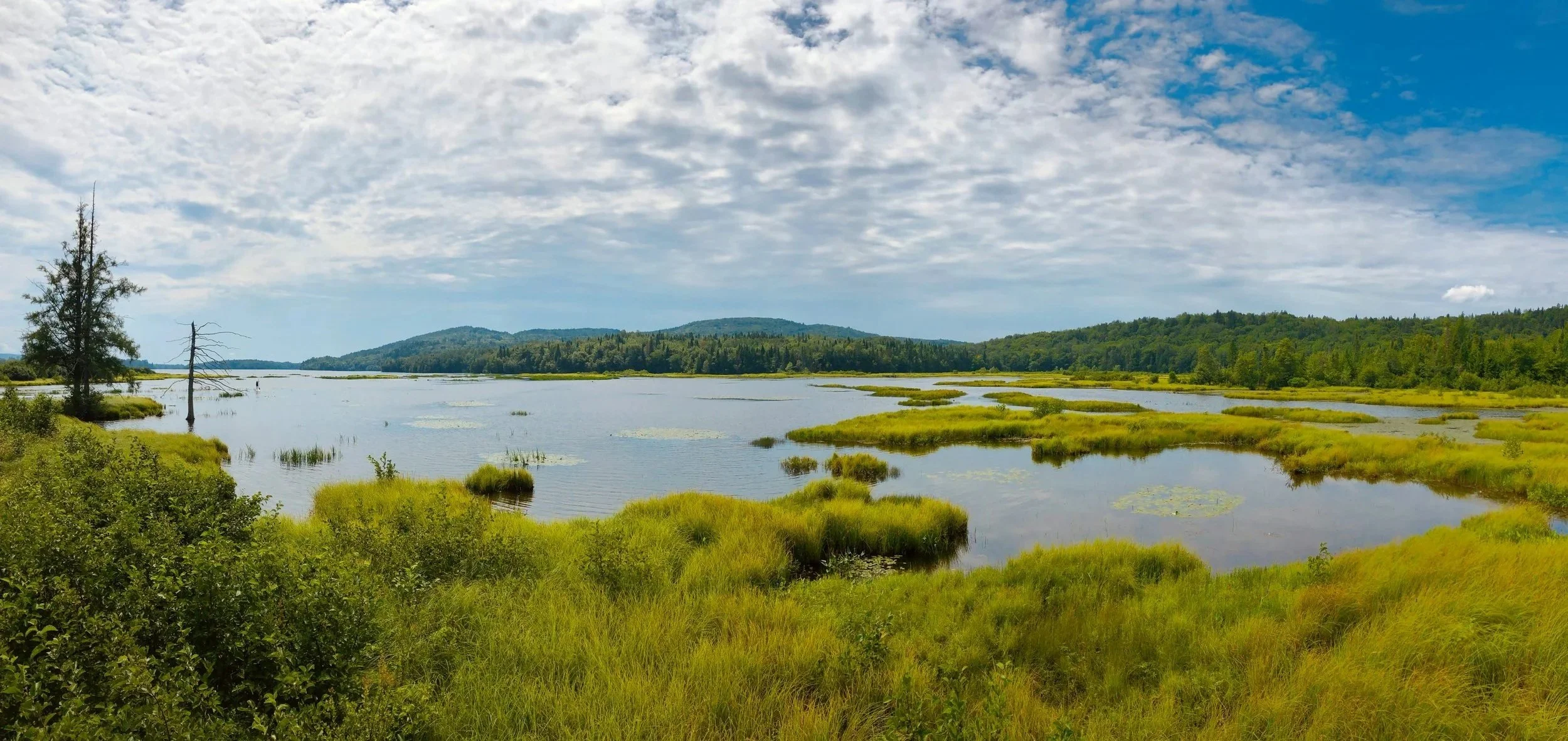
Wetlands play a key role in:
Preserving ideal conditions for certain species;
Storing carbon reduces certain environmental risks;
Viable habitats for different species;
Natural cycles by maintaining the balance of habitats.
How Habitat authorities in addressing this issue
At Habitat, we are already partnering with communities to develop conservation plans for natural environments across Quebec.
The Habitat approach Habitat on developing a conservation plan that includes:
A definition of the vision and conservation objectives
Creating an ecological portrait
A review of existing regulations and constraints that may come into play
The implementation of conservation strategies addressing biodiversity hotspots, ecological corridors, zoning, and land use.
Drafting recommendations and possible courses of action
In addition to addressing all these key issues in the context of wetland projects, Habitat the necessary expertise to participate in PRMHHs, or Regional Wetland and Water Plans.
A collaborative approach for optimized conservation
Our approach has already proven successful in a collaborative project with the Lac-Saint-Jean-Est RCM, which provided this municipality with a comprehensive overview of the ecological value of its natural environments.
Habitat role in the environmental context for this municipality in eastern Quebec contributed to the future development of a PRMHH.
It is therefore in this spirit thatHabitat everything in its power to ensure that the anniversary of the International Convention is celebrated in a memorable way and becomes better known to all, 55 years after it was signed.
Does your community want to strengthen its wetland initiatives?