

Our achievements at the heart of the ecological transition.
Our projects aim to strengthen the link between societies and nature by making ecosystem services visible and measurable in order to inform action and decisions.
Filter by topic
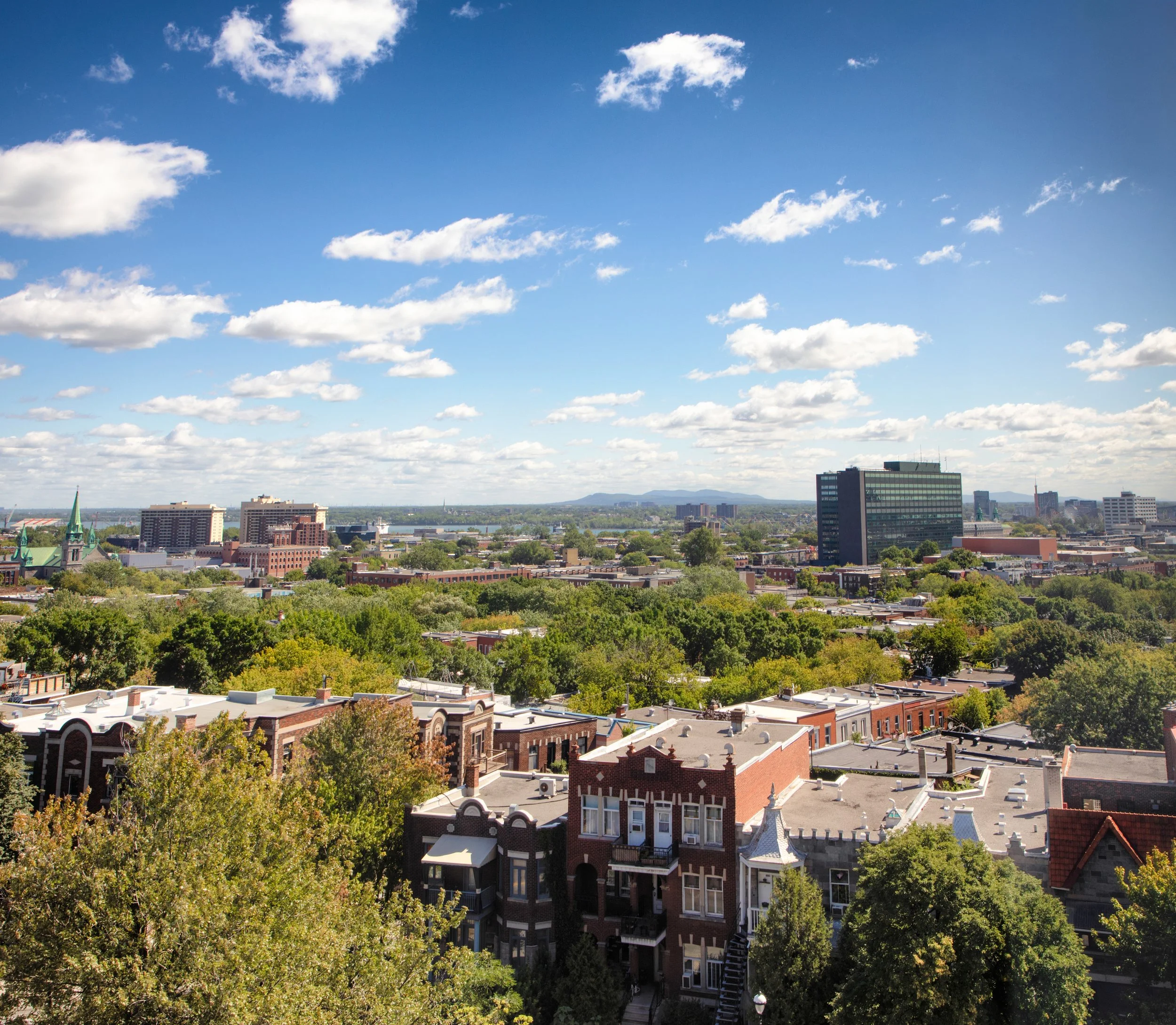
Managing natural infrastructures: a new approach to optimizing urban resilience
The David Suzuki Foundation and Habitat have joined forces to carry out in-depth analyses in five major Canadian cities, highlighting the crucial role of natural infrastructure in urban environments. The aim? To provide decision-makers with evidence for more effective management of natural assets, and to enable citizens to better understand their benefits.
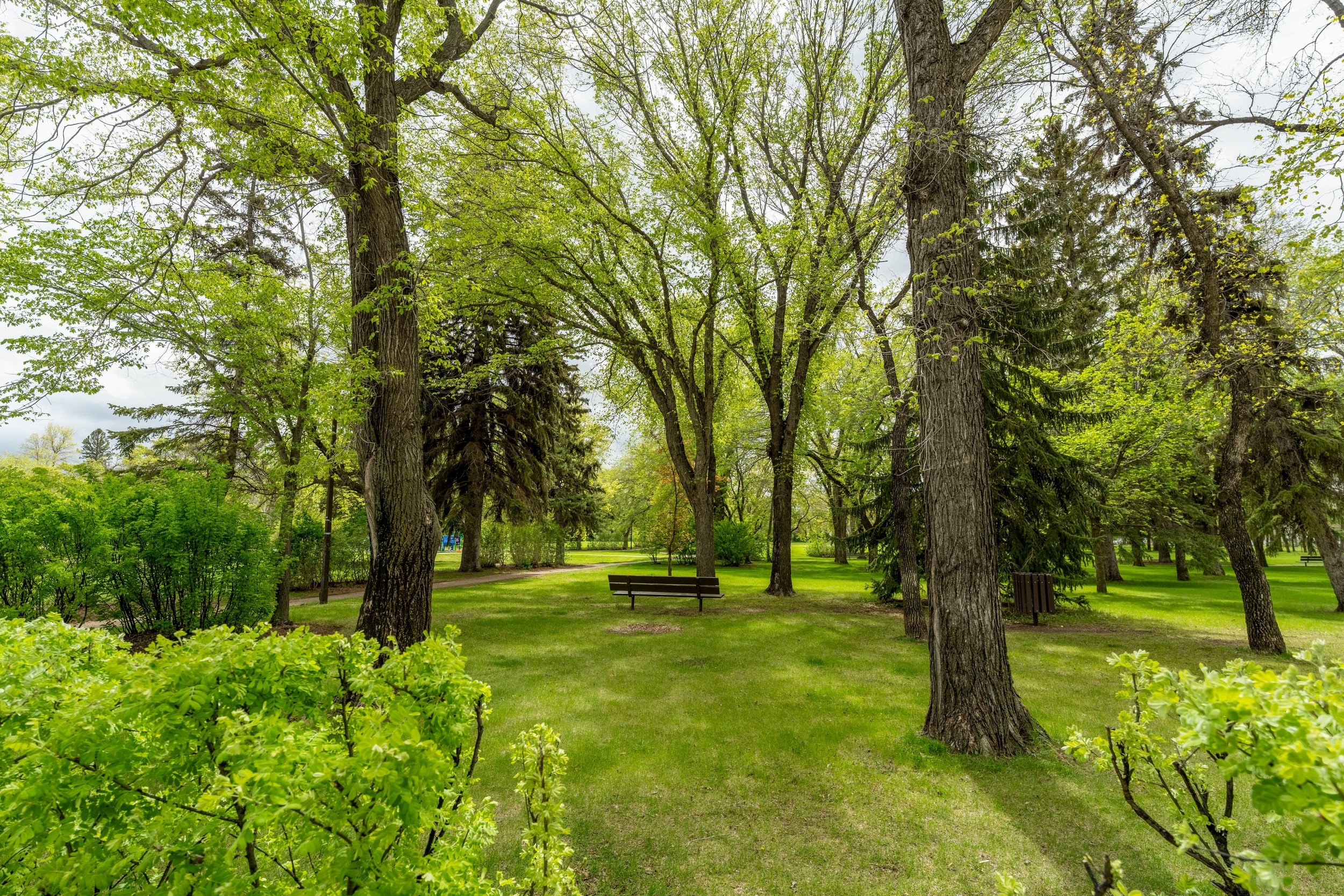
A green corridor to protect Nicolet's natural environments
Our study for the City of Nicolet reveals that planning the creation of a "green corridor" contributes to the conservation of biodiversity in the St. Lawrence Lowlands region.

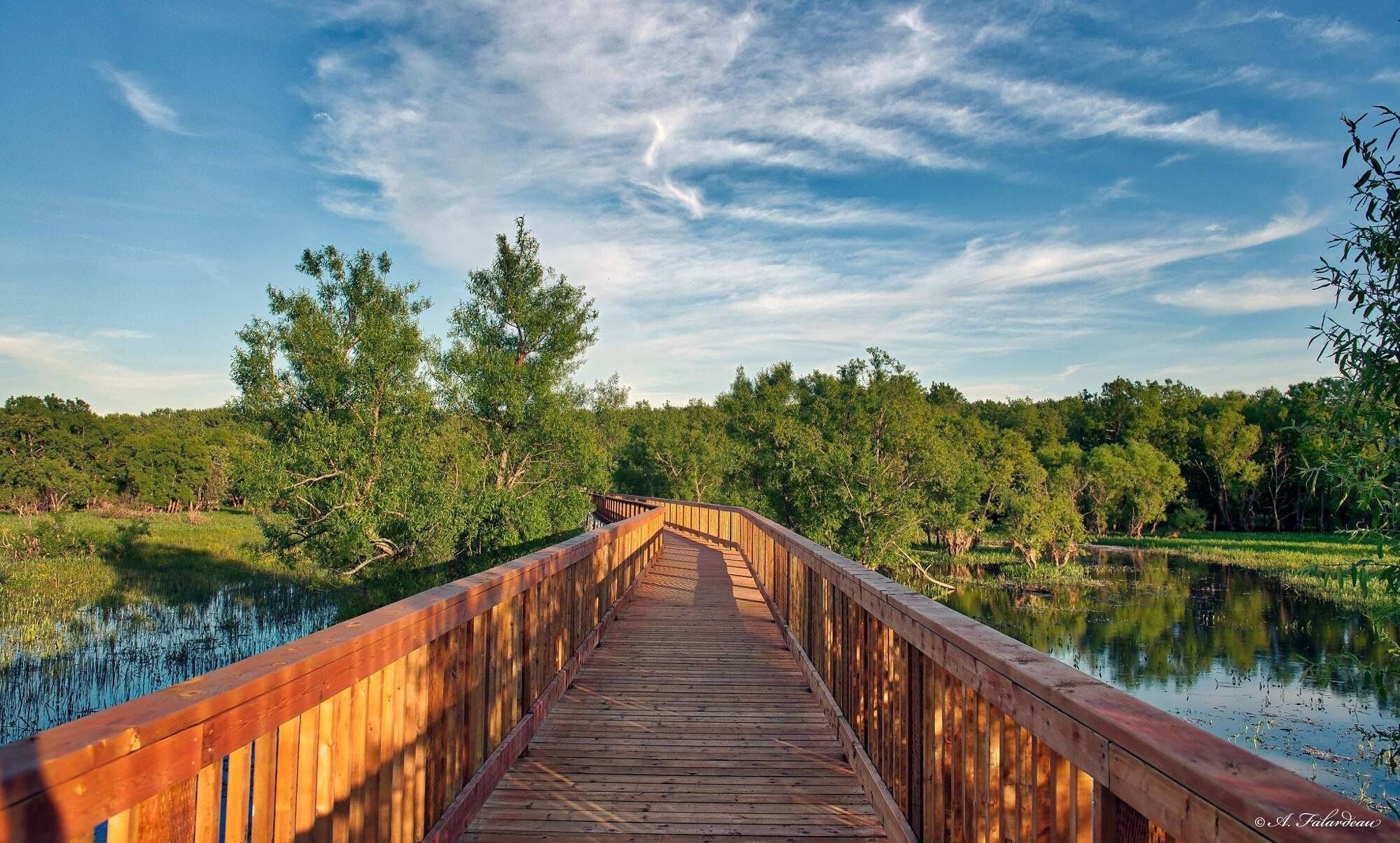
Enhancing the role of natural environments in the municipality of Saint-Hippolyte
The municipality of Saint-Hippolyte commissioned Habitat to carry out a study to estimate the current value of natural environments based on a biophysical and economic assessment of several ecosystem services.
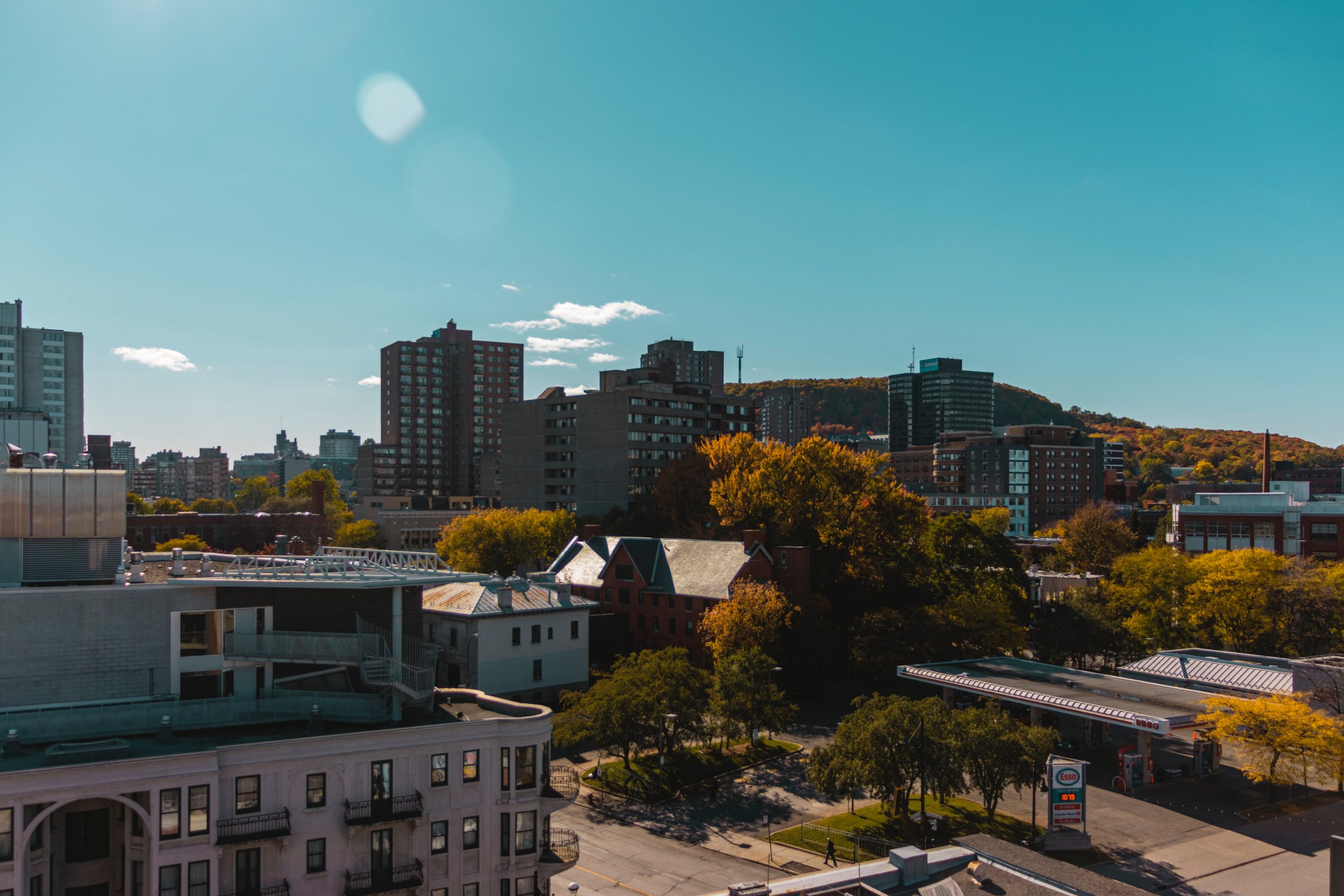
Eco-taxation as a lever for protecting and restoring natural environments threatened by urbanization
Through this project, Habitat conducted a study into the feasibility of eco-tax tools applied to the ecological footprint of land use.
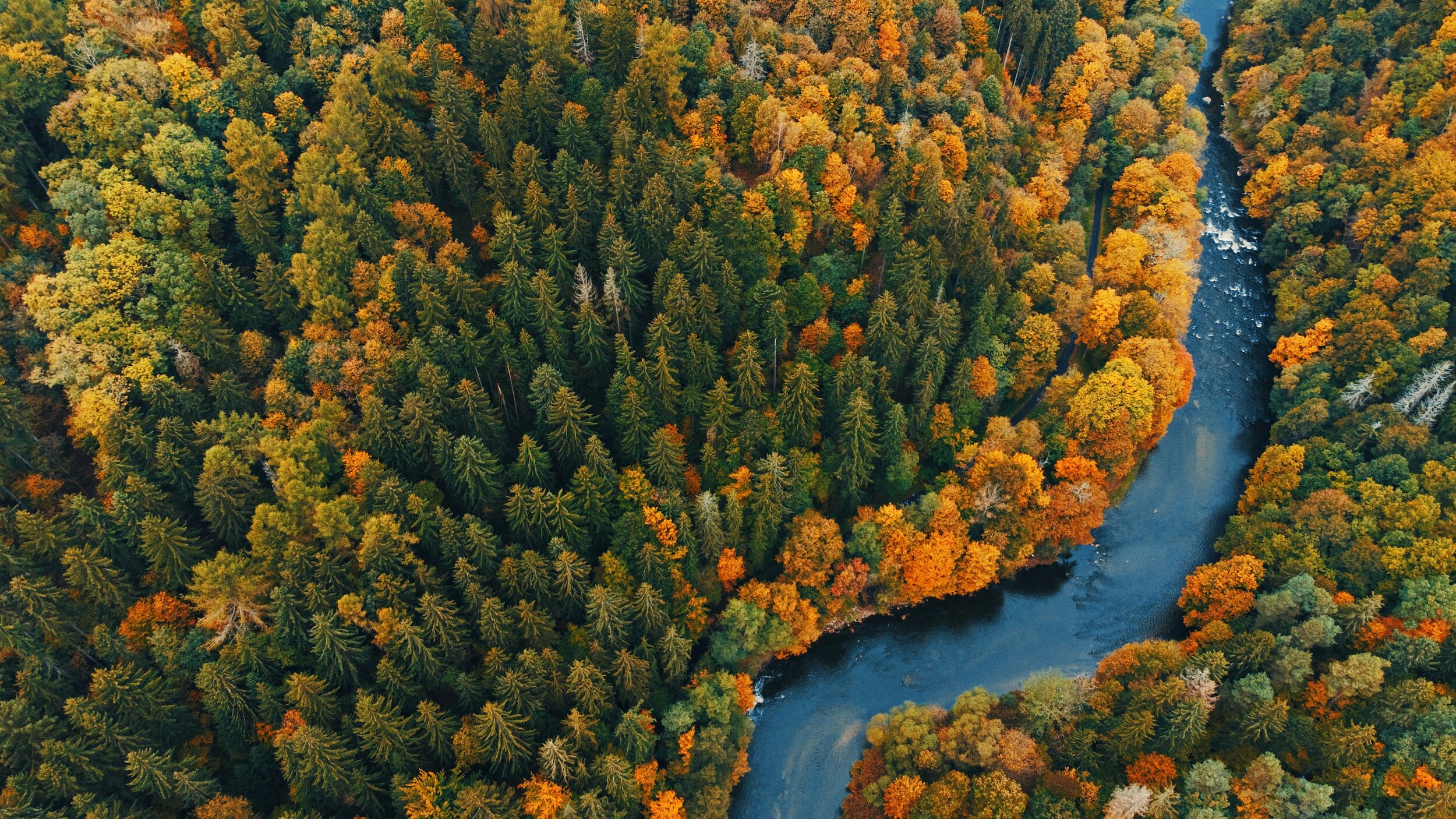
Planning the conservation of La Mauricie National Park's Greater Ecosystem
The results of our study will make it possible to maintain and improve ecological connectivity to support biodiversity, promote resilience and continue to benefit from ecosystem services.
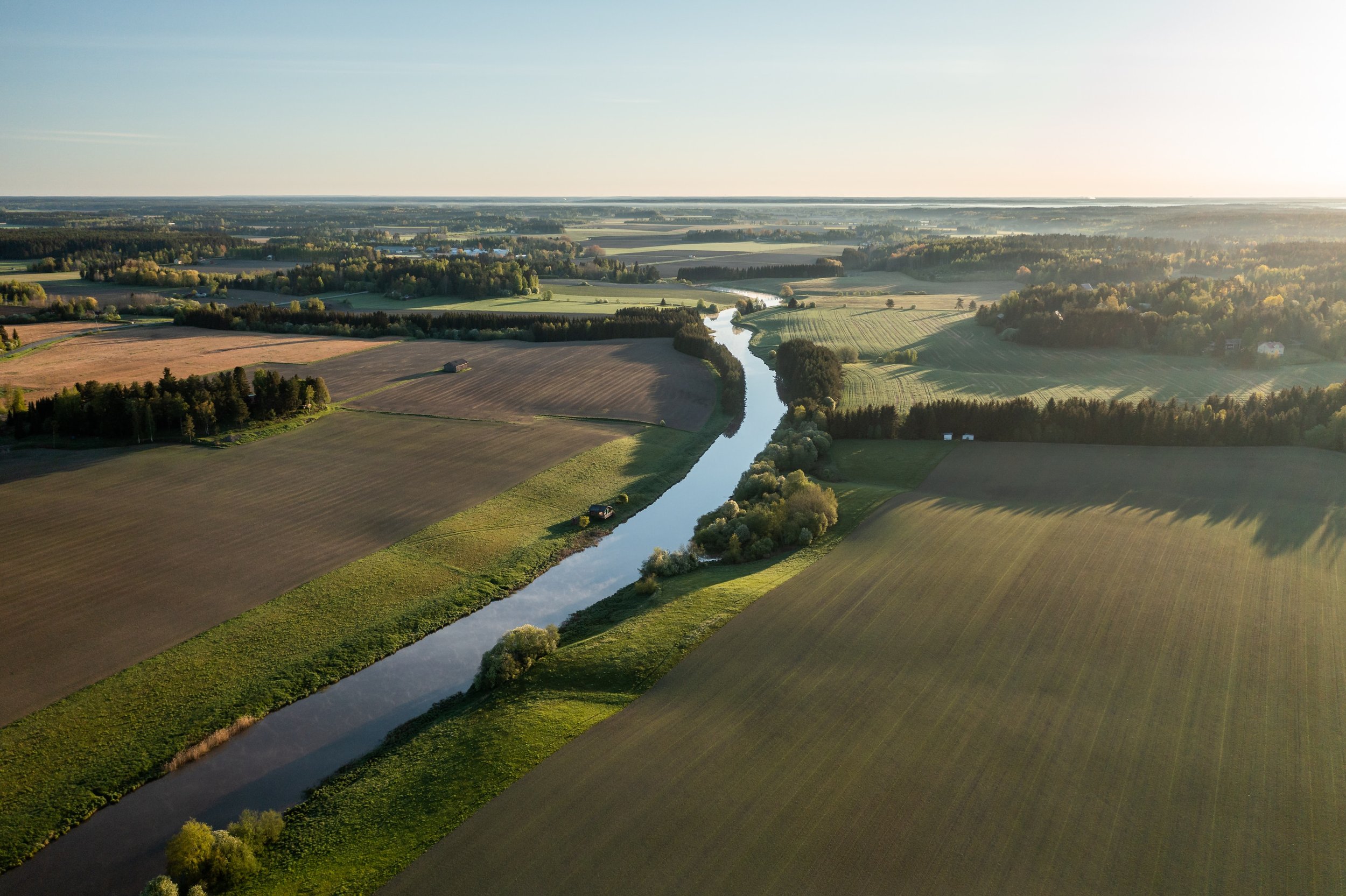
Forest agricultural corridors to promote ecosystem services
The Demain la forêt - infrastructures vertes project, launched by Jour de la Terre and supported by the Quebec government, aims to develop uncultivated agricultural areas where the slopes are too steep for cultivation.

A strategic and sustainable planting approach for Montreal
We have developed a strategy for planting the 500,000 new trees that will maximize the sustainability of the urban forest while improving the distribution of nature in the city.
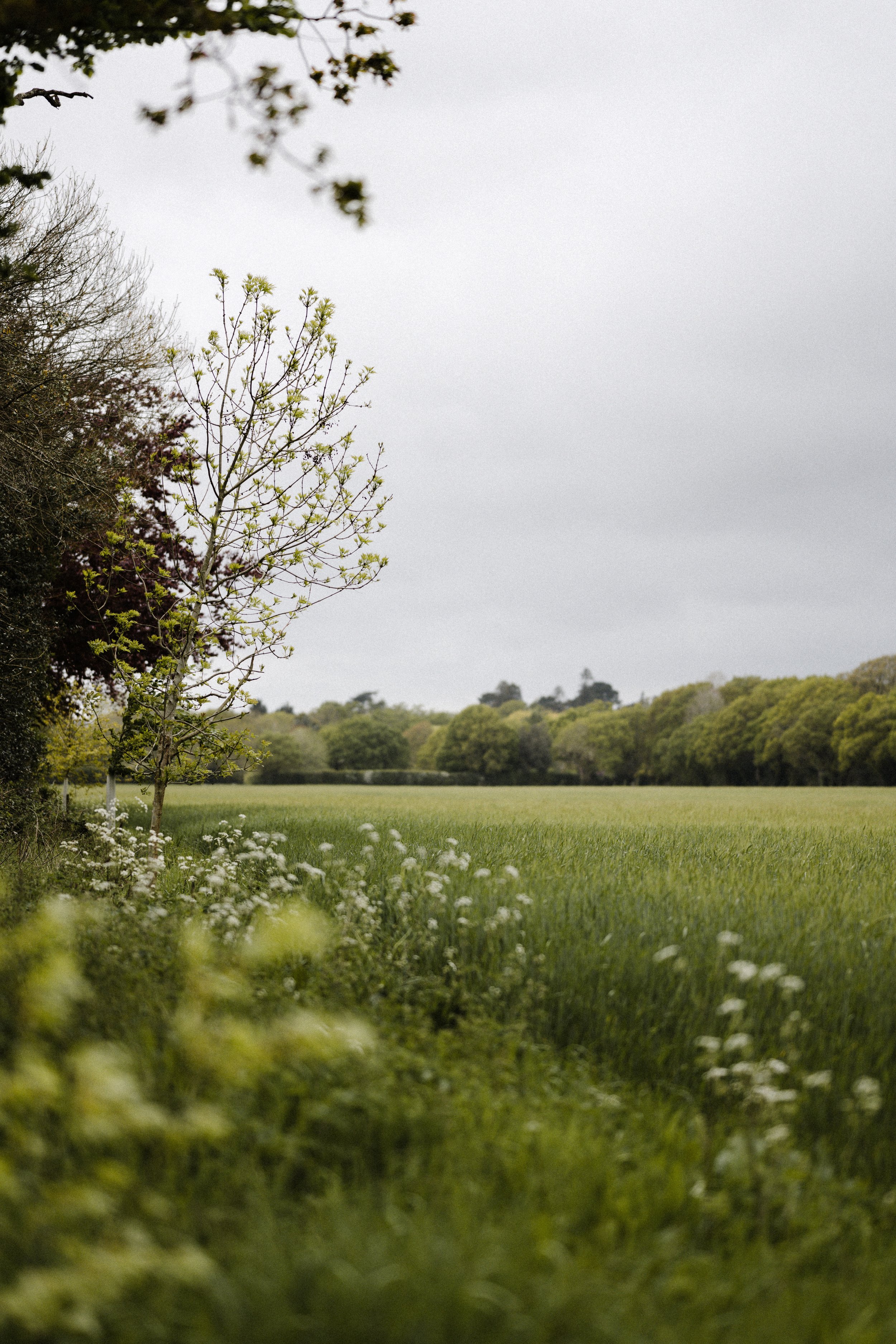
Evaluate the potential to afforest agricultural corridors
Our team evaluated the benefits associated with the revegetation of agricultural corridors for wildlife (habitat and connectivity) and the provision of ecosystem services.
Improving the resilience of the Rosemère urban forest
Our analysis of the Rosemère urban forest (portrait, ecosystem services, functional diversity) has allowed us to develop planting recommendations that will meet conservation objectives.
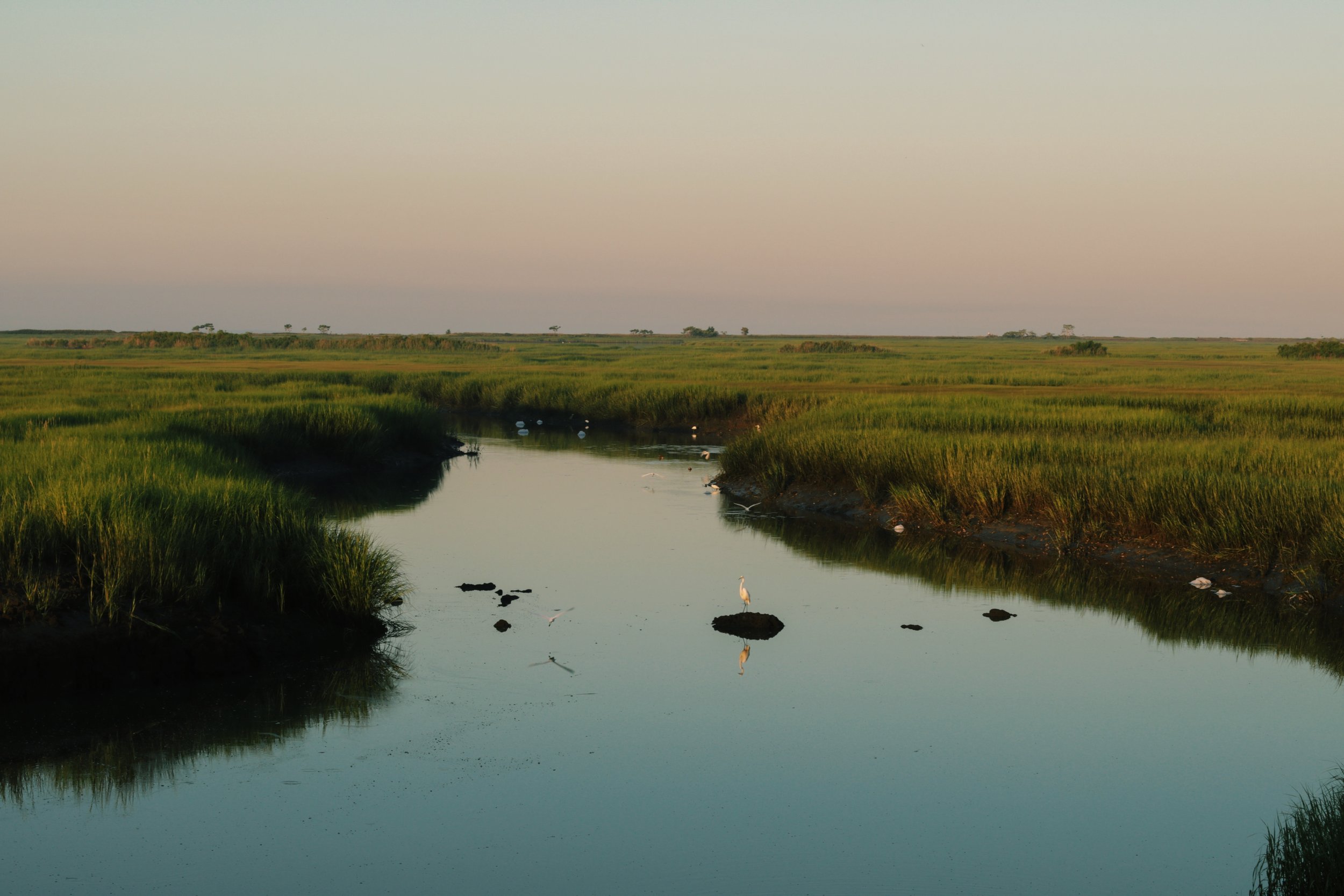
Ensuring better management of the North River watershed
We analyzed the ecosystem services provided by the natural environments of the integrated water management area managed by Abrinord in order to prioritize conservation actions.
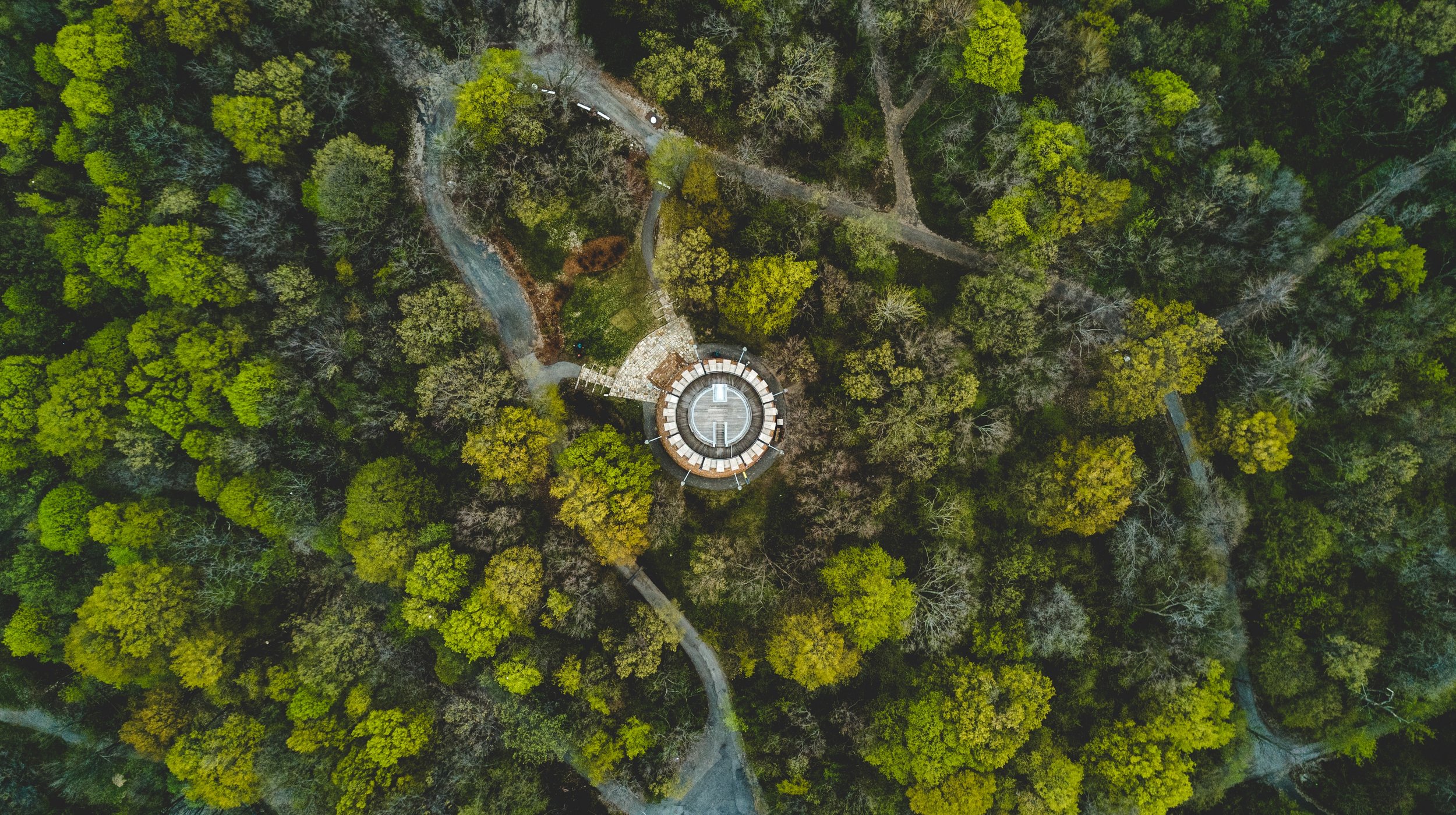
Evaluating the services provided by the trees in Parc Jean-Drapeau
Our team evaluated the role of trees in Parc Jean-Drapeau in sequestering carbon, improving air quality and avoiding stormwater runoff.
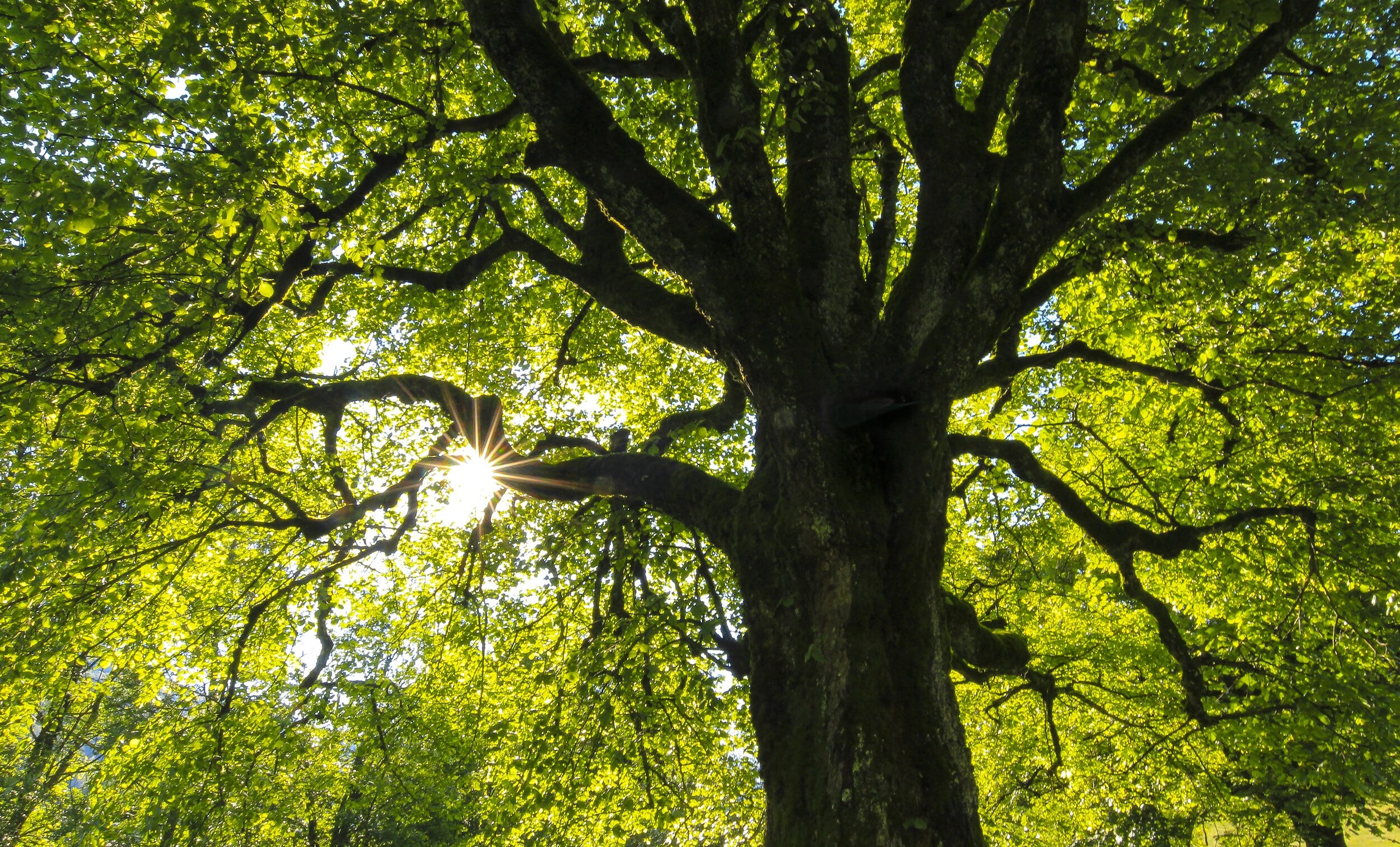
Improving the resilience of Candiac's urban forest
In 2021, Nature-Action Québec has commissioned Habitat to carry out an assessment of Candiac's urban forest with a view to improving its resilience in the face of global change.
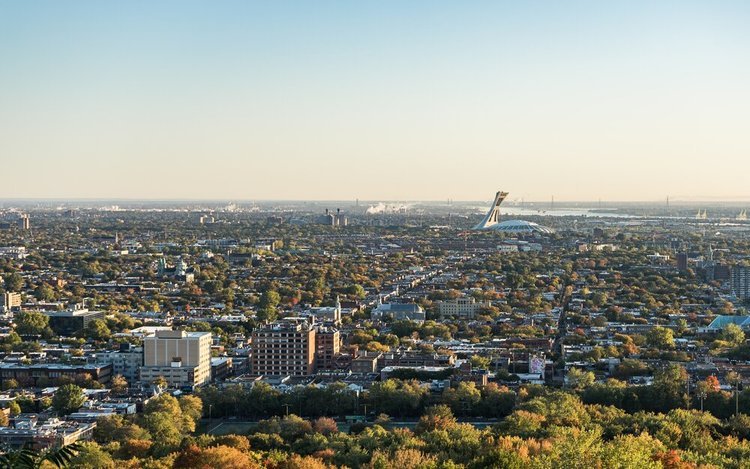
Increasing the effectiveness of conservation targets across the Montreal Metropolitan Community
Our analysis of various conservation scenarios identified the one that will have the most positive impact on biodiversity, connectivity and ecosystem service provision.
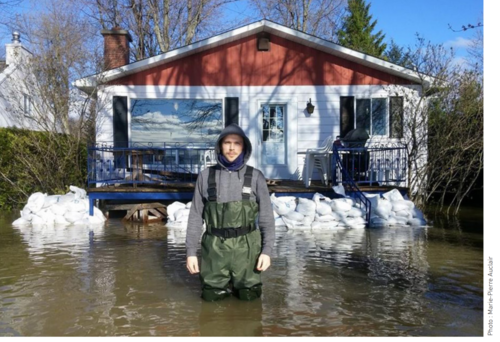
Assessing the role of natural environments in flood prevention
Our study of the role of natural environments in flood prevention and other ecosystem services has shed light on the economic values associated with these services.

Scientific expertise at the service of action.
Habitat organizations in making informed, science-based decisions to sustainably preserve natural environments.